
Introduction
Choosing the right university is one of the most important decisions in a student’s educational journey. A university provides more than academic qualifications. It creates opportunities to develop professional skills, explore personal interests, participate in research, and prepare for future career opportunities.
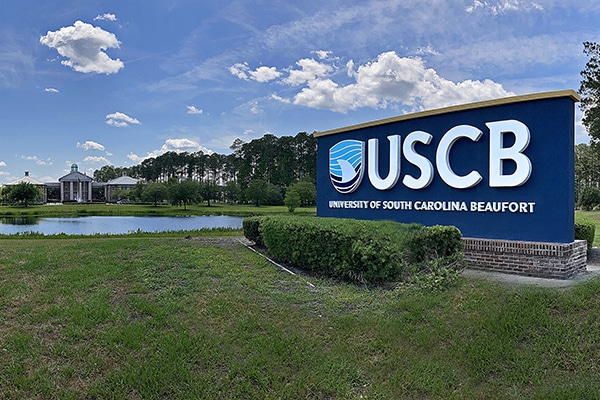
The University of South Carolina Beaufort (USCB) is a public university located in the South Carolina Lowcountry in the United States. As part of the University of South Carolina System, it provides undergraduate and graduate education across several academic disciplines.
With campuses in Bluffton, Beaufort, and Hilton Head Island, the university offers a distinctive coastal learning environment. Its educational approach combines academic instruction with experiential learning, student research, internships, community engagement, and professional development.
This comprehensive guide explores the University of South Carolina Beaufort, its academic programs, campus environment, admission considerations, educational resources, and the importance of selecting the right academic pathway.
Understanding the University of South Carolina Beaufort
The University of South Carolina Beaufort has a history connected to Beaufort College, which dates back to 1795. It became a regional campus of the University of South Carolina System in 1959 and developed into a four-year degree-granting institution in 2004.
Today, USCB serves students through three campuses in the South Carolina Lowcountry.
Its educational mission focuses on teaching, research, public service, and preparing graduates to contribute to their communities and professional fields.
The university offers academic opportunities in liberal arts, sciences, and professional disciplines. Students can explore different subjects while developing the knowledge and practical abilities required for further education and employment.
Academic Programs and Areas of Study
Selecting an appropriate academic program is essential for building a successful educational and professional future. Students should consider their interests, academic strengths, career ambitions, and the qualifications required in their preferred industries.
The University of South Carolina Beaufort provides educational opportunities in several important subject areas.
Business Administration
Business administration is an important field for students interested in understanding how organizations operate, manage resources, and develop strategies.
Students studying business can explore management principles, marketing, accounting, finance, organizational behavior, and business communication.
These subjects provide a foundation for careers in corporate management, financial services, entrepreneurship, marketing, and business operations.
Business education also develops transferable skills such as leadership, analytical thinking, teamwork, and decision-making.
Computer Science and Computational Science
Technology continues to influence business, healthcare, education, communication, and scientific research.
Computer-related academic programs help students understand programming, computing systems, information management, and the development of digital solutions.
Computational science combines computing techniques with mathematical and scientific approaches to solve complex problems.
Students interested in technology can develop their abilities through programming exercises, research projects, technical assignments, and collaborative learning.
Cybersecurity and Information Technology
Digital security has become increasingly important as organizations depend on computer networks, online platforms, and electronic information systems.
Cybersecurity education introduces students to information protection, digital threats, network security, and responsible technology management.
Information science and technology also cover the organization, management, and effective use of information.
These subjects can provide a foundation for professional opportunities in IT support, information systems, cybersecurity, and related technology fields.
Biology and Marine Biology
Biology focuses on living organisms, their environments, and the scientific processes that influence life.
Marine biology provides opportunities to study aquatic organisms, coastal ecosystems, marine environments, and ecological relationships.
The university’s coastal location offers an interesting regional context for students interested in marine and environmental sciences.
Scientific research, laboratory activities, and field-based learning can help students develop practical research abilities.
Nursing and Public Health
Healthcare education prepares students to understand human health, patient needs, healthcare services, and community wellness.
Nursing focuses on patient care, clinical knowledge, professional responsibilities, and healthcare practices.
Public health examines broader health issues affecting individuals and communities, including disease prevention, health education, and population wellness.
Students interested in these fields should understand that certain professional roles require additional examinations, clinical preparation, or licensing.
Education and Communication Studies
Education programs help students understand learning development, teaching methods, educational environments, and instructional practices.
Communication studies focus on how people share information through interpersonal communication, writing, media, and public speaking.
These disciplines develop skills that are valuable in education, media, public relations, community services, and professional organizations.
Hospitality Management
Hospitality management is particularly relevant to the tourism and service industries.
Students interested in this field can explore hotel operations, tourism, resort management, customer experiences, and event-related services.
The Hilton Head Island location provides a useful regional setting for understanding hospitality and tourism within a major destination area.
The Three Campuses of USCB
One distinctive feature of the University of South Carolina Beaufort is its three-campus structure. Each location contributes to the university’s educational environment.
Bluffton Campus
The Bluffton campus is the university’s main campus.
It provides important facilities for student life, academic activities, administration, recreation, and residential living.
Students can access learning resources, campus housing, dining facilities, student organizations, and other university services.
The campus also provides opportunities to connect classroom education with research and practical learning.
Beaufort Campus
The Beaufort campus offers an educational experience connected to the historic and cultural environment of the South Carolina Lowcountry.
It supports academic areas including history, studio art, marine biology, and cybersecurity.
The campus also features arts and cultural activities that connect students with the surrounding community.
Hilton Head Island Campus
The Hilton Head Island campus has a particular connection to hospitality, resort, and tourism management.
Its educational environment includes facilities designed to support hospitality-related instruction and practical activities.
Students interested in hotel management, tourism, restaurants, and event management can benefit from studying in a destination known for its tourism industry.
Experiential Learning and Research Opportunities
Experiential learning is an important part of modern education. It allows students to apply academic knowledge in practical situations instead of depending exclusively on classroom instruction.
USCB emphasizes learning through activities that connect theory with real-world experiences.
Students may explore opportunities such as:
- Undergraduate research projects.
- Internships and workplace experiences.
- Study abroad programs.
- Community service.
- Capstone projects.
- Clinical experiences.
- Academic presentations.
- Practical field activities.
For example, students studying marine biology may explore coastal ecosystems, while hospitality students may gain exposure to resort and tourism environments.
Such experiences can help students develop professional confidence, research skills, communication abilities, and practical knowledge.
Admissions and Application Preparation
Applying to university requires careful planning and an understanding of the admission requirements for the chosen program.
Students interested in USCB should begin by researching available degrees and reviewing the application information provided by the university.
Important preparation steps include:
- Selecting an appropriate academic program.
- Reviewing undergraduate or graduate admission requirements.
- Preparing previous academic transcripts.
- Completing the application process.
- Submitting required supporting documents.
- Checking application deadlines.
- Exploring available scholarships and financial assistance.
International students should also review English-language requirements, international academic credentials, financial documentation, and immigration procedures.
Requirements can vary according to the program and applicant category. Therefore, official university admissions resources should always be consulted before applying.
Student Life and Campus Experience
University life provides opportunities for academic growth, personal development, and social interaction.
Students can participate in university organizations, cultural events, recreational activities, and community programs.
Joining student organizations can help individuals develop leadership, teamwork, and communication skills.
Campus activities also provide opportunities to connect with students from different backgrounds and explore new interests.
A balanced university experience includes managing academic responsibilities while participating in meaningful extracurricular activities.
Financial Planning and Educational Costs
Financial planning is an important part of selecting a university.
Students should consider tuition, accommodation, transportation, meals, learning materials, insurance, and other personal expenses.
A realistic educational budget can help students understand the financial responsibilities associated with attending university.
Potential funding sources may include:
- Academic scholarships.
- Merit-based awards.
- Eligible grants.
- External educational funding.
- Student employment opportunities.
International applicants should investigate which financial assistance programs are available to their particular applicant category.
Students should also review current tuition information rather than relying on outdated estimates.
Career Development and Professional Skills
A university degree can provide a foundation for many professional opportunities, but career development involves more than academic qualifications.
Students should use their educational experience to build practical and transferable skills.
Important professional abilities include:
- Critical thinking.
- Written and verbal communication.
- Problem-solving.
- Team collaboration.
- Research and analysis.
- Digital literacy.
- Time management.
- Leadership.
Internships, research projects, and community activities can help students understand professional expectations and identify their career interests.
Preparing a resume, building professional connections, and researching employment opportunities before graduation can make the transition into the workplace easier.
How to Choose the Right University Program
Choosing a major requires careful consideration of personal interests and future ambitions.
Students should start by identifying subjects they genuinely enjoy and evaluating their academic strengths.
They should then investigate the professional opportunities connected to different degrees.
Comparing course structures, practical learning opportunities, program requirements, and available academic support can also help students make informed decisions.
Speaking with academic advisors and researching professional industries can provide additional guidance.
The best academic pathway is one that balances personal interests, educational ability, realistic career goals, and long-term development.
The Importance of Lifelong Learning
Education continues beyond graduation.
Technology, business practices, scientific research, and professional expectations change over time. Graduates therefore benefit from continuing to develop their knowledge and abilities.
Professional certifications, online courses, workshops, postgraduate education, and industry training can help individuals remain informed and adaptable.
Lifelong learning encourages professional growth and supports individuals as they take on new responsibilities throughout their careers.
Frequently Asked Questions
What is the University of South Carolina Beaufort?
The University of South Carolina Beaufort is a public university within the University of South Carolina System, located in South Carolina, United States.
Where are the USCB campuses located?
USCB has three campuses in Bluffton, Beaufort, and Hilton Head Island.
What academic programs does USCB offer?
Its academic areas include business administration, biology, marine biology, computational science, information science and technology, cybersecurity, nursing, public health, education, communication studies, and hospitality management.
Does USCB offer graduate education?
Yes. The university offers graduate-level programs, including computational science and education-related study opportunities.
What is experiential learning?
Experiential learning is an educational approach that allows students to apply classroom knowledge through research, internships, field activities, community engagement, and other practical experiences.
Can international students apply to USCB?
International students can explore admission opportunities by reviewing the university’s international applicant requirements, academic eligibility, English-language requirements, and immigration procedures.
Why is campus selection important?
Different campus locations can provide different academic facilities, residential experiences, and opportunities connected to particular disciplines.
Conclusion
The University of South Carolina Beaufort offers an educational environment that combines academic instruction, experiential learning, research, and community engagement. Its three campuses provide students with opportunities to explore different academic interests within the South Carolina Lowcountry.
From business administration and technology to marine biology, healthcare, education, and hospitality management, students can investigate a variety of educational pathways.
Choosing the right degree requires research, realistic planning, and an understanding of long-term professional goals. By exploring academic programs, preparing for admission, managing educational expenses, and participating in practical learning, students can build a strong foundation for future success.
This article is an independent educational overview and is not an official publication of or affiliation with the University of South Carolina Beaufort.